
he Struggles and Successes of Nations
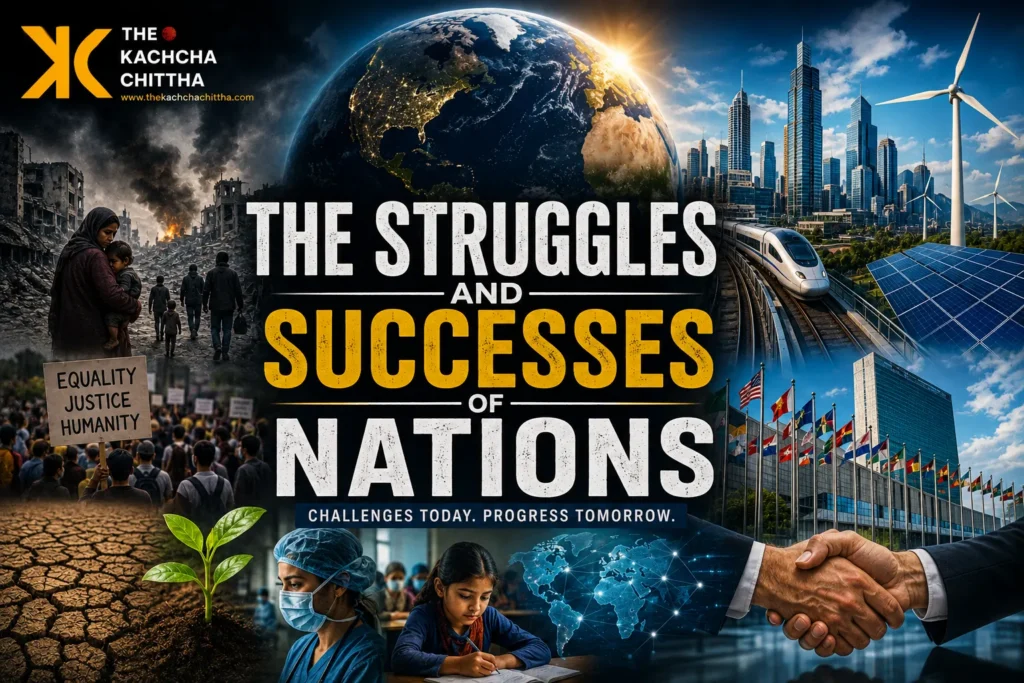
In today’s rapidly changing world, nations across the globe are facing a mix of economic, political, environmental, and social challenges while also achieving remarkable milestones in development, innovation, and international cooperation. From rebuilding economies to advancing technology and improving living standards, countries continue to navigate a complex global landscape.
This report highlights some of the major struggles and successes shaping nations in the modern era.
Economic Challenges and Recovery


7
Many nations are still dealing with economic uncertainty caused by inflation, supply chain disruptions, and fluctuating energy prices. Rising living costs have placed pressure on households and businesses worldwide.
At the same time, several economies are showing signs of recovery through:
- Increased investments
- Infrastructure development
- Growth in technology sectors
- Expansion of renewable energy industries
Governments are introducing reforms and stimulus measures to stabilize markets and encourage employment growth.
Technological Innovation Driving Progress
4
Artificial Intelligence and digital transformation are reshaping industries around the world. Nations investing heavily in innovation are witnessing improvements in healthcare, education, transportation, and communication.
Emerging technologies such as:
- Artificial intelligence
- Renewable energy systems
- Robotics
- Space exploration
- Smart infrastructure
are helping countries become more competitive globally.
Climate and Environmental Pressures


8
Environmental concerns continue to challenge governments worldwide. Extreme weather events including floods, droughts, wildfires, and storms are affecting millions of people every year.
In response, many countries are investing in:
- Solar and wind energy
- Sustainable transportation
- Climate resilience programs
- Forest conservation projects
Renewable Energy is becoming central to long-term national development strategies.
Global Health and Social Welfare
4
Healthcare and education remain major priorities for governments. The impact of COVID-19 highlighted the importance of strong healthcare systems and emergency preparedness.
Several nations have increased spending on:
- Public healthcare
- Vaccination programs
- Mental health services
- Digital education platforms
These efforts aim to improve quality of life and strengthen social stability.
Geopolitical Tensions and Diplomacy


7
International relations remain a critical factor influencing global stability. Trade disputes, regional conflicts, and political tensions continue to impact economies and security.
However, diplomatic cooperation through global organizations and strategic partnerships has also led to:
- Trade agreements
- Humanitarian aid initiatives
- Climate cooperation
- Security alliances
World leaders are increasingly emphasizing dialogue and collaboration to address shared global challenges.
Rising Achievements in Developing Nations


10
Several developing countries are experiencing rapid growth in infrastructure, education, and digital connectivity. Expanding internet access and entrepreneurship opportunities are creating new pathways for economic progress.
Young populations and innovation-driven industries are contributing to stronger growth potential in emerging economies.
Conclusion
Nations today face a delicate balance between overcoming struggles and building sustainable success. Economic uncertainty, environmental concerns, and geopolitical tensions continue to create challenges, but innovation, resilience, and international cooperation are also driving meaningful progress.
As countries adapt to changing global realities, their ability to invest in people, technology, and sustainable development