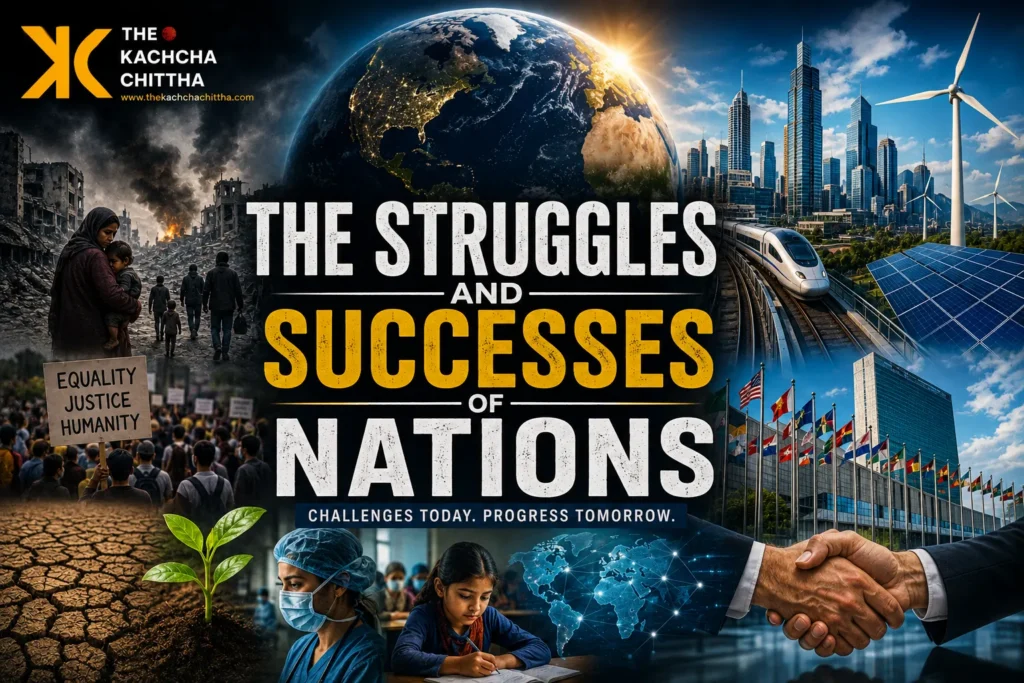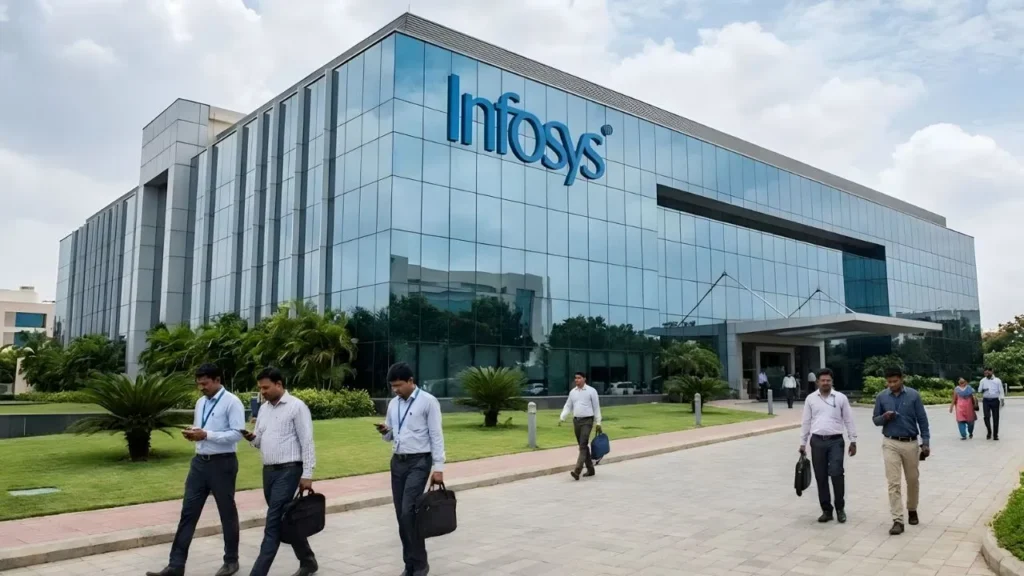


Global markets are once again under intense scrutiny as investors, businesses, and governments attempt to predict the future of the world economy. After years of rapid growth, economic shocks, inflationary pressures, geopolitical conflicts, and technological disruptions have caused dramatic fluctuations across stock markets, commodity prices, and digital assets.
Financial analysts believe the coming years could redefine how global economies operate, invest, and grow.
Global Stocks Face Uncertain Momentum
Major stock markets around the world have experienced sharp swings as investors respond to inflation, interest rate changes, and slowing economic growth.
Markets in several countries have been impacted by:
- Rising borrowing costs
- Weak consumer spending
- Geopolitical instability
- Declining manufacturing output
- Uncertain corporate earnings
Financial experts warn that volatility may remain a key feature of global markets in the near term.
Inflation Continues to Pressure Economies
Inflation remains one of the biggest challenges for both developed and emerging economies. Higher food, fuel, and housing prices continue to affect millions of households globally.
Central banks have responded by increasing interest rates to slow inflation, but these measures have also:
- Reduced business investments
- Increased loan costs
- Slowed real estate markets
- Pressured small businesses
Economists remain divided on how quickly inflation can return to stable levels.
Technology Sector Leads Market Transformation
The technology industry continues to drive major changes in global markets. The rapid expansion of Artificial Intelligence has fueled investor interest in sectors such as automation, cybersecurity, cloud computing, and semiconductor manufacturing.
Large technology firms are investing heavily in:
- AI infrastructure
- Data centers
- Automation systems
- Digital finance platforms
Many analysts believe technology could remain the strongest long-term growth driver for global economies.
Cryptocurrency Markets Remain Volatile
Bitcoin and other digital assets continue to experience significant price fluctuations. While some investors view cryptocurrencies as the future of finance, others remain cautious due to regulatory concerns and market instability.
Governments worldwide are now discussing:
- Crypto regulations
- Digital currency taxation
- Cybersecurity risks
- Central bank digital currencies
The crypto industry continues evolving despite ongoing uncertainty.
Energy Markets and Global Conflicts
Energy prices remain highly sensitive to geopolitical tensions and supply disruptions. Oil and gas markets have experienced repeated fluctuations due to conflicts, trade restrictions, and changing global demand.
At the same time, countries are accelerating investments in:
- Solar power
- Wind energy
- Electric vehicles
- Sustainable infrastructure
Renewable Energy is increasingly viewed as critical for long-term economic stability.
Emerging Economies Show Long-Term Potential
Several developing nations are becoming attractive investment destinations due to expanding digital economies, infrastructure development, and younger populations.
Sectors driving growth in emerging markets include:
- Fintech
- E-commerce
- Manufacturing
- Telecommunications
- Renewable energy
Experts believe emerging economies could play a larger role in shaping the future global economic order.
What’s Next for Global Markets?
Economic analysts suggest that the future of global markets will depend on several major factors:
- Inflation management
- Interest rate policies
- Technological innovation
- Political stability
- Consumer confidence
While challenges remain, many investors are optimistic that innovation and global adaptation could create new opportunities for long-term economic growth.
Conclusion
The rise and fall of global markets highlights the fragile balance between economic growth and financial uncertainty. Inflation, geopolitical tensions, and market volatility continue to challenge economies worldwide, while technology and emerging industries offer hope for future expansion.
As the world economy adapts to rapid change, governments, businesses, and investors will need resilience, strategic planning, and innovation to navigate the next chapter of global finance.